Trynectar AI contains AI-generated adult content. By entering you confirm you are 18+.
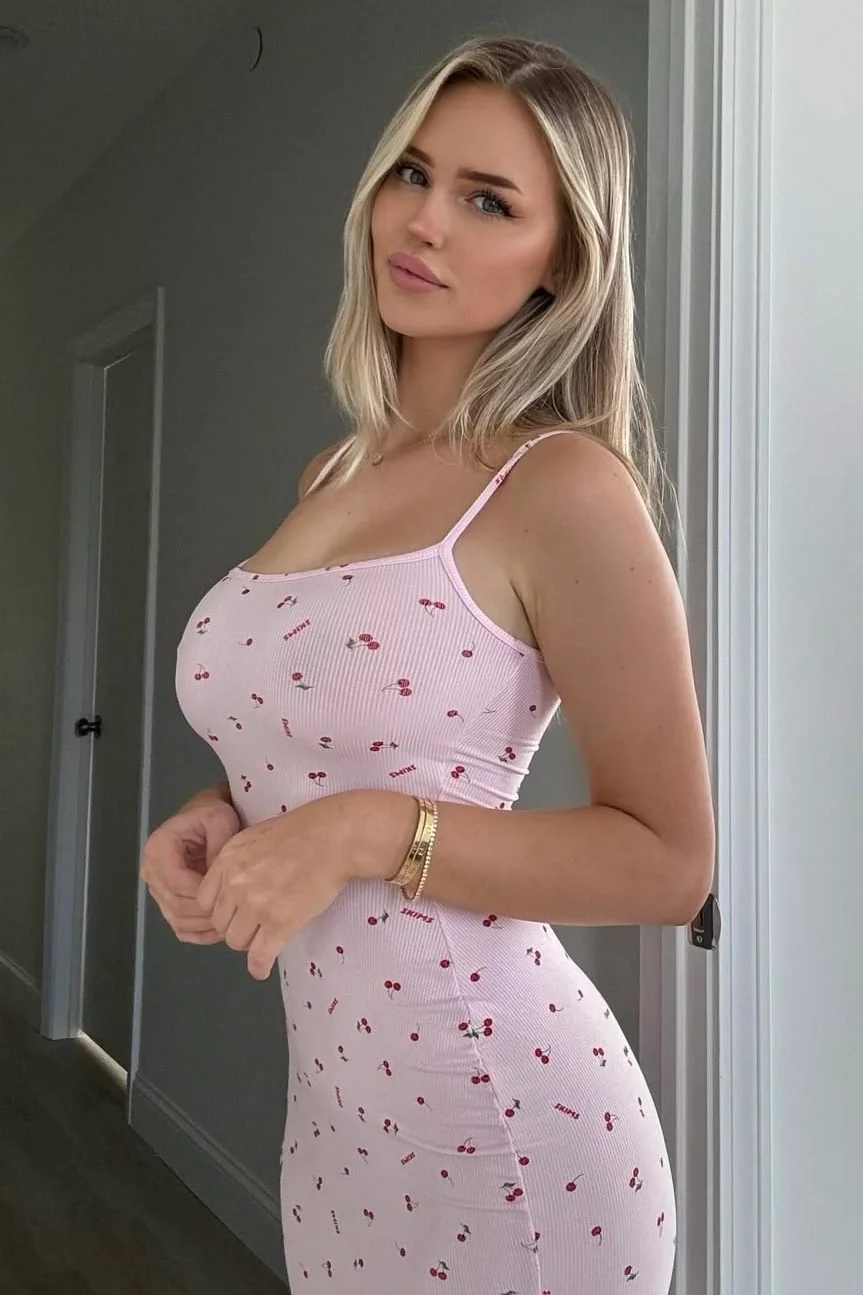
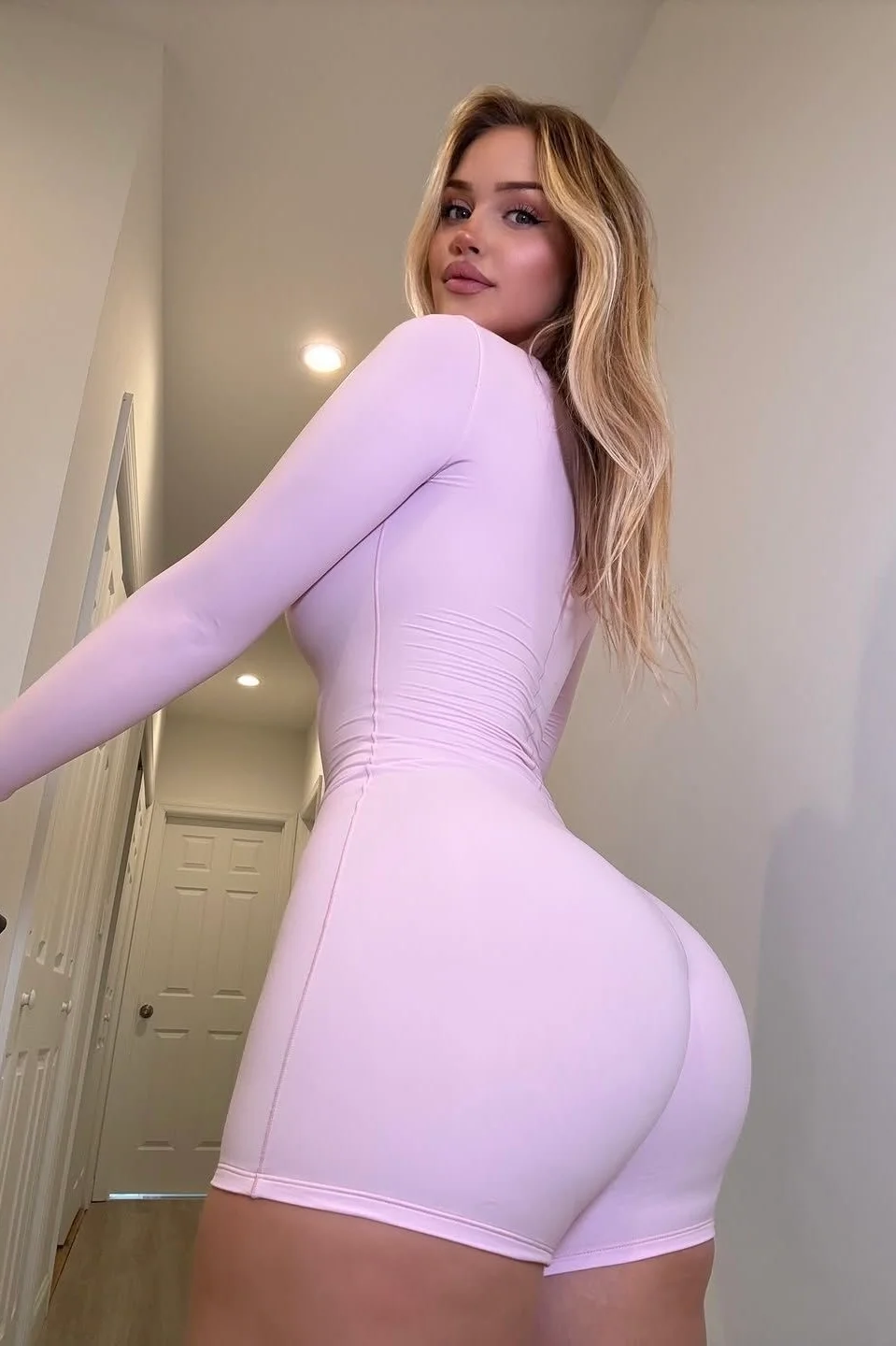
Photographic pipeline tuned for plausible skin tone, real light falloff, and the minor imperfections that separate a captured frame from a rendered one.
🌸Drawn-line aesthetic with the character anchor preserved across panels. None of the slow model collapse over dozens of frames standalone anime checkpoints tend to suffer.
🎨The hybrid path between the other two. Realistic proportions on stylized features, softened edges. The model most users settle on after trying all three.
All three model families — realistic, anime, 2.5D — read from a single identity anchor stored against your account. Move the same companion from a beach scene into an anime panel into a noir-lit interior and her face stays her face, her body stays her body, hair color doesn't quietly drift two shades between generations. The character travels through the model families intact rather than getting re-derived inside each one.
Most NSFW generators fail this test because they regenerate identity from the prompt on every request. Trynectar AI locks a vector on the first successful generation and pins everything downstream to that single file. The exact same anchor is what each of the three pipelines reads from, which is the specific reason cross-style consistency holds at all.
Open the tool
Prompts get parsed at whatever length you actually write them, never truncated down to a token-friendly summary. Window light from a specific direction, a specific hour of the day, a specific piece of wardrobe, a stance described across three clauses — all read as constraints to honor instead of tokens to smooth out into a default scene. The output reflects what you wrote rather than regressing toward the body-on-bed median most NSFW generators silently default to.
Unusual props, atypical locations, poses the model has rarely seen — those land in the rendered frame rather than quietly disappearing. The prompt layer was trained against a long-form description corpus, not the short keyword strings most open-source pipelines optimize for. The difference shows up most clearly on the kinds of prompts a competing tool would shrug at and render its default.
Type something specific
Move her into a sun-bright kitchen, a hotel hallway at three in the morning, a coastal cliff, a tiny apartment with one lamp on — she stays the same person in every frame. The downstream consequence is what shows up in gallery view: an archive of one specific character living through many scenes, instead of fifty unrelated faces that happen to share a checkpoint. The continuity is what makes the gallery read as a record of someone rather than an output dump.
Every action the generator exposes — save, regenerate, upscale, switch model family — runs the same identity-lock code path. Premium adds 4K rendering and removes the per-day quota, but the character anchor itself is identical on the free tier. Consistency isn't paywalled; the only thing premium changes is how many frames per day and how large each one is allowed to render.
Start her archiveGenerated the same girl across forty scenes. Forty. The face never split into different people. Other tools collapse around image fifteen.
Eli J.Saint Paul, MNDetail prompts get respected. Asked for warm window light and a specific pose; got it on the first generation, not the eighth.
Felix B.Newark, NJThe 2.5D model is genuinely between the other two. Not realistic dressed as anime. Most platforms get this distinction wrong.
Garrett N.Jersey City, NJRealistic, anime, 2.5D — one character moving between all three. Thirty free renders a day, NSFW open from the first generation, identity anchor included on the bottom tier with no upgrade hop.
Run a PromptFree access is still open. She'll wait if you come back. Ninety seconds and you're in the thread.
Stay Another Minute